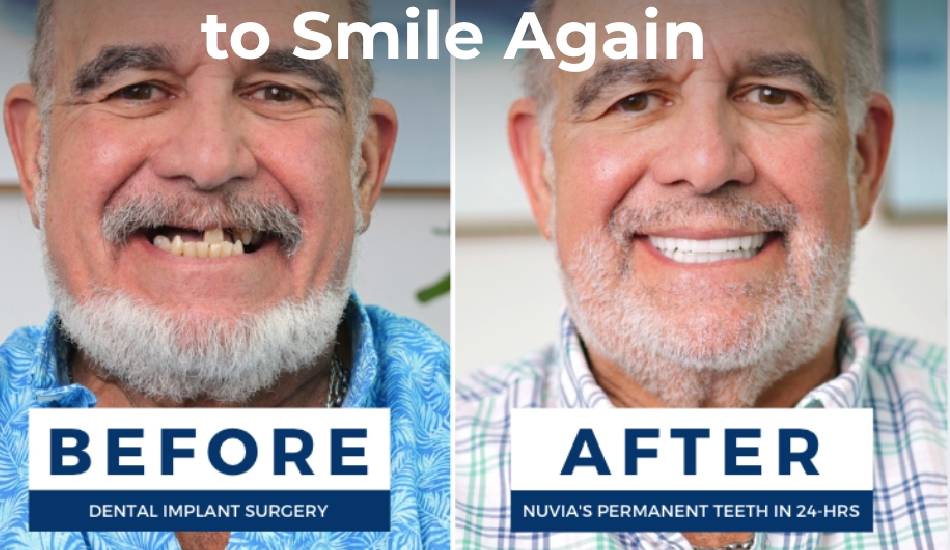
Your teeth and gums are far more important than just creating a beautiful smile—they're essential components of your overall health and wellbeing. Healthy teeth and gums enable proper nutrition through effective chewing, support clear speech, maintain facial structure, and protect against serious infections that can spread throughout your body. Poor oral health has been linked to numerous systemic health conditions including heart disease, stroke, diabetes complications, respiratory infections, and pregnancy complications, making dental health a critical aspect of preventive healthcare. Despite the importance of oral health, many people neglect their teeth and gums until problems develop, resulting in costly treatments, tooth loss, and compromised quality of life. Maintaining healthy teeth and gums requires a comprehensive approach that combines daily oral hygiene habits, professional dental care, and lifestyle choices that support long-term dental health. This detailed guide explores everything you need to know about maintaining healthy teeth and gums throughout your lifetime, from proper brushing and flossing techniques to professional care recommendations and dietary considerations that protect your smile.
Proper brushing technique is the foundation of daily oral hygiene and is absolutely critical for removing plaque and preventing tooth decay. Brush your teeth at least twice daily—ideally after breakfast and before bed—using a soft-bristled toothbrush and fluoride toothpaste. Use gentle, circular motions rather than aggressive scrubbing, which can damage gum tissue and cause gum recession. Position your toothbrush at a 45-degree angle to your gum line and brush the outer surfaces of your teeth thoroughly. Don't forget the inner surfaces, chewing surfaces, and the gum line where plaque accumulates. Brush for a full two minutes to ensure adequate cleaning time—many people rush through brushing in just 30 seconds, which is insufficient for thorough plaque removal. Pay special attention to areas where teeth meet gums, as this is where gum disease often begins. Replace your toothbrush every three to four months or sooner if bristles become frayed, as worn bristles clean less effectively. Electric toothbrushes can be particularly effective for people with limited dexterity or those who struggle with proper brushing technique, as they provide consistent brushing motion and often include timers to ensure adequate brushing duration.
Daily flossing is equally important as brushing but is tragically neglected by a large percentage of the population. Flossing removes food particles and plaque from between teeth and below the gum line—areas that your toothbrush cannot effectively reach. Lack of flossing allows plaque to accumulate in these spaces, leading to cavities between teeth and gum disease that progresses silently without obvious symptoms. Use approximately 18 inches of dental floss, wrapping most of it around your middle fingers and leaving a small section to work with. Gently guide the floss between your teeth using a sawing motion, then curve it around each tooth and slide it beneath the gum line. Use a fresh section of floss for each tooth to avoid spreading bacteria. Floss at least once daily, preferably before bed, to remove debris that accumulated throughout the day. If traditional floss is difficult to use, consider alternatives including water flossers, interdental brushes, or floss picks, which can be equally effective if used properly. The key is consistently removing debris and plaque from between teeth daily—the specific tool matters less than the consistency of your effort.
Regular professional dental cleanings and examinations are absolutely essential components of oral health maintenance that cannot be replaced by at-home care alone. Visit your dentist every six months for professional cleanings and comprehensive exams—more frequently if you have gum disease, diabetes, or other risk factors for dental problems. Tartar hardens on tooth surfaces and below the gum line, creating an environment where harmful bacteria thrive and causing inflammation and gum disease. During routine exams, your dentist screens for cavities, gum disease, oral cancer, and other dental problems, often catching issues at early stages before they become serious. Early detection of dental problems allows treatment when interventions are simpler, less invasive, and less expensive than waiting until problems advance. Your dentist can also provide personalized recommendations for your specific oral health needs and identify risk factors requiring special attention. Professional fluoride treatments and dental sealants applied during these visits provide additional protection against cavities, particularly for children and high-risk adults.
A balanced, nutritious diet significantly impacts your oral health and your teeth and gums' ability to resist disease and maintain strength. Limit sugary foods and acidic beverages that promote cavity formation and enamel erosion. Sugar feeds harmful oral bacteria that produce acid, attacking tooth enamel and creating cavities. Acidic foods and drinks including citrus fruits, soda, wine, and sports drinks directly erode tooth enamel, weakening teeth and increasing cavity susceptibility. Consume these foods during meals rather than as frequent snacks, which keeps your mouth in an acidic state for extended periods. Include calcium-rich foods including dairy products, leafy greens, and fortified foods that strengthen tooth enamel and support bone health. Phosphorus-containing foods including meat, fish, eggs, and nuts help rebuild tooth enamel. Vitamin D supports calcium absorption and immune function, helping your body fight oral infections. Vitamin C-rich foods including citrus fruits, berries, and peppers support healthy gums and connective tissue. Crunchy fruits and vegetables like apples and carrots stimulate saliva production and mechanically clean tooth surfaces. Adequate hydration supports saliva production, which is essential for protecting teeth and maintaining oral health.